Water Leak Detection and Repair in Boerne: What Property Owners Should Know
Water leaks have a way of starting quietly and becoming expensive before anyone fully understands what happened. In Boerne, that reality intersects with another important fact, plumbing work is not just a matter of finding the first truck that can arrive this afternoon. Property owners also have to think about licensing, permits, city requirements, and in some cases, even utility billing adjustments after the leak is fixed.
That mix can feel confusing when water is running where it should not be. I have seen people focus so hard on stopping the immediate problem that they forget the paperwork, the repair documentation, or whether the company they hired is actually set up to do the work properly within city limits. Then, a few weeks later, they are sorting through a bigger mess than the leak itself.
If you own a home, rental property, or commercial building in Boerne, it helps to know how leak detection https://home-services.s3.dal.us.cloud-object-storage.appdomain.cloud/sewer-line-cleaning-hydro-jetting-and-snaking.html and repair fit into the local framework. That knowledge does not make a leak less frustrating, but it does help you make better decisions when the pressure is on.
Why leak problems in Boerne are not just a repair issue
In some places, people treat plumbing repairs as simple private matters between the owner and the contractor. Boerne is more structured than that. The city has official permitting and code compliance oversight for plumbing, along with mechanical, fuel gas, and energy work. That applies to both residential and commercial projects. The city also requires contractor registration for work in city limits.
That matters because leak repair is not always a one-size-fits-all service call. Sometimes the fix is minor. Sometimes it grows into a larger plumbing project that falls squarely under the city’s permitting system. If you skip that piece, you may save time in the moment but create trouble later, especially if questions come up about whether the work was done in line with local requirements.
Boerne uses the 2021 International Plumbing Code and related 2021 ICC codes. For property owners, that is not trivia. It means the work is expected to align with a defined code standard, not just a technician’s personal preference or shortcut. Good contractors already understand that framework and build it into how they diagnose and repair leaks.
This is one reason the search for a “plumber near me” should not stop at proximity. Close by is convenient, especially when water is involved. But local code awareness, contractor registration, and proper licensing are what protect you once the repair starts.
The first decision is often the most important one
When a leak appears, people usually want certainty right away. Where is it coming from? How bad is it? How much is this going to cost? Those are fair questions, but the first decision tends to shape everything that follows, who you call and whether that person or company is properly qualified to take the job.
In Texas, plumbing work is regulated by the Texas State Board of Plumbing Examiners. Plumbers are licensed through that state system, and those licenses renew annually. That annual renewal point may sound administrative, but it is important. It means a license is not a one-time credential that sits on a wall forever. It requires ongoing maintenance through the state’s process.
There is another distinction that property owners often miss. A Journeyman Plumber in Texas may install, change, repair, service, or renovate plumbing under a Responsible Master Plumber. The Responsible Master Plumber is the individual licensed to offer and contract plumbing work to the public. That division matters when you are hiring someone for leak detection or repair. If a company is offering plumbing services to the public, there should be a Responsible Master Plumber behind that operation.
Most customers do not ask about this until something goes wrong. It is much better to ask before work begins.
What leak detection can involve
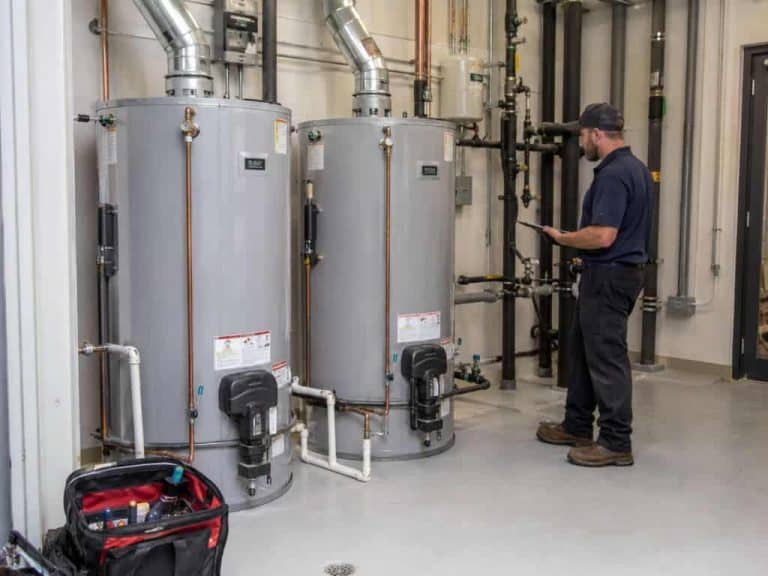
Leak detection sounds straightforward, but the term covers a wide range of plumbing situations. In Boerne, plumbing providers publicly advertise services such as leak detection and repair, sewer line cleaning, hydro jetting, snaking, water heater installation and replacement, and commercial plumbing work. That tells you something useful about the local market. Many plumbing companies are not just fixing exposed drips under a sink. They are handling broader system issues that can connect to the original leak complaint.
A property owner might think there is a simple leak, then learn the visible symptom is tied to a drainage issue, a sewer-related problem, or another part of the system that needs attention. I have seen people get frustrated at that point because they expected a quick patch and now the conversation has shifted. Still, that shift is not necessarily a sales tactic. Sometimes one plumbing issue points to another, and the right response is a fuller diagnosis.
Boerne’s public works specifications include sanitary sewer infrastructure and mechanical cleaning requirements, which shows the city maintains formal standards around sewer-related work as well. That does not mean every water leak becomes a sewer project, of course. It does mean owners should take system-wide plumbing concerns seriously, especially when a contractor says the problem is not isolated to one fixture or one obvious point.
The practical lesson is simple. A leak can be the beginning of the story, not the whole story.
Why documentation matters more than people expect
One of the most overlooked parts of leak repair is recordkeeping. Property owners often focus on the immediate repair bill and toss the receipt in a drawer. In Boerne, that can be a mistake.
The city’s utility rules allow a one-time water-usage adjustment for a plumbing leak if the customer’s consumption is at least 50 percent above the customer’s yearly average. To request that adjustment, the customer must provide a repair bill or parts receipts. In some December through March leak cases, sewer charges may also be adjusted.
That is a meaningful detail. If a leak caused a spike in your water use, proper documentation may affect what you ultimately pay. Without the paperwork, you may lose the opportunity to seek that adjustment. I would not treat this as a guarantee of relief, because the city has conditions and the situation has to fit those rules. Still, it is one of the clearest reasons to keep organized records from the start.
Here is where owners often trip up. They know there was a leak. They know they paid someone. But they do not have a clear repair invoice, they used cash without a paper trail, or they made the repair themselves and kept no parts receipts. Later, when the utility bill comes, they are left trying to reconstruct the timeline from memory.
That is avoidable.
What to save when you have a leak
If a leak has affected your water bill, keep the paperwork as if you will need to explain the event later. In many cases, you probably will.
- The repair invoice or bill from the plumbing company
- Parts receipts, if you purchased materials directly
- A copy of the utility bill showing the unusual usage
- Notes about when the leak was discovered and when it was repaired
- Any permit-related records connected to the work, if applicable
This is not busywork. It is the practical side of protecting yourself after an expensive plumbing problem.
Permits are not an afterthought
People tend to hear the word permit and picture a major remodel. Leak repair can feel too small or too urgent for that conversation. But in Boerne, the city issues permits for plumbing work and requires contractor registration for work in city limits. Whether a specific repair needs a permit depends on the nature and scope of the job, and that is exactly why owners should not make assumptions based on guesswork or what a neighbor once experienced.
The smarter approach is to ask directly and early. A reliable contractor should be able to tell you whether the repair falls into a category that requires a permit and how they handle local compliance. If the answer is vague, dismissive, or sounds like an attempt to sidestep city oversight, that should raise concerns.
I have noticed that owners often separate the emergency from the compliance side in their minds. They think, first fix it, then sort out the formalities. Sometimes that instinct is understandable. Water is disruptive. But if the repair turns out to be more involved than expected, catching up on permits after the fact can become awkward and expensive. It is much easier when the contractor is prepared to do the work the right way from the start.
Residential owners and commercial owners do not face exactly the same stakes
Boerne’s permit and code compliance framework covers both residential and commercial projects. That shared oversight matters, but the practical stakes often feel different depending on the property type.
For a homeowner, a leak usually feels personal and immediate. There is stress around daily routines, cleanup, and the bill. For a landlord or property manager, the issue quickly expands into scheduling, tenant communication, and proof that the repair was handled responsibly. For a commercial owner, the pressure can include business interruption and the need to coordinate work with occupancy, operations, or access constraints.
The underlying lesson is that leak response should match the property, not just the pipe. A commercial property owner may need a plumbing company that already works in commercial settings. The verified local service offerings show that some Boerne-area providers do advertise commercial plumbing services. That does not automatically make every company the right fit for every job, but it does show that the local market includes providers who position themselves for more complex property needs.
This is one of those judgment calls that matters. The closest or cheapest option may not be the best one if the property type adds complexity.
The risk of choosing only on speed
Every leak feels urgent, so fast response matters. But speed alone is a poor hiring standard. A property owner under pressure may search “plumber near me,” call the first result that answers, and approve work within minutes. Sometimes that works out. Sometimes it leads to confusion about who actually performed the work, whether the company is properly set up to contract plumbing work, and whether any city requirements were addressed.
A better path is to balance urgency with a few basic checks. You do not need to become a code expert overnight. You just need enough discipline to verify that the company is operating within the normal legal and local framework for plumbing work.
That means thinking beyond arrival time. Who is the Responsible Master Plumber for the company? Is the contractor registered for work in Boerne city limits when required? If the repair grows in scope, how do they handle permits? Those are practical questions, not adversarial ones.
When a contractor handles them confidently, that usually tells you something useful about how the rest of the job will go.
Questions worth asking before work begins
A short conversation at the beginning can save a lot of trouble later. You do not need a scripted interrogation. You just need clarity.
- Are you licensed through the state for plumbing work, and who is the Responsible Master Plumber for this company?
- Is your company registered to work in Boerne city limits, if this job requires it?
- Do you expect this repair to involve a permit or code compliance step?
- Will I receive a detailed invoice or receipt that documents the repair?
- If the issue points to a larger plumbing or sewer problem, how will you explain the next steps?
Notice that none of these questions are exotic. They are basic ownership questions. A good contractor should hear them regularly.
When the leak bill arrives
One of the more frustrating leak scenarios is when the plumbing repair itself seems manageable, but the utility bill that follows is what really hurts. Boerne’s utility rules offer a possible path for a one-time water-usage adjustment in qualifying leak cases, but owners should read that as a process, not an automatic refund.
The threshold is specific. Consumption must be at least 50 percent above the customer’s yearly average. Documentation is required. In some cases involving leaks between December and March, sewer charges may also be adjusted. Those details matter because they shape how owners should respond once the repair is done.
First, compare the billed usage to what is normal for your account. Second, gather the documents while they are easy to find. Third, do not assume a verbal explanation will substitute for paperwork. Utility adjustments tend to move on records, not memory.
There is also a practical timing point here. The longer you wait to sort out your documentation, the harder it becomes to present a clean, credible explanation of what happened and when.
Sewer-related issues can complicate the picture
Some leak complaints turn out to have overlap with drainage or sewer concerns. The verified local service landscape reflects that reality. Boerne-area plumbing providers advertise sewer line cleaning, hydro jetting, and snaking in addition to leak detection and repair. On the city side, public works specifications include sanitary sewer infrastructure and mechanical cleaning requirements.
For owners, the key takeaway is not that every leak needs aggressive sewer work. It is that plumbing systems are interconnected enough that a symptom in one area can point to another issue entirely. If a contractor explains that the leak investigation uncovered a broader sewer-related concern, that possibility fits within the types of services and standards already present in the area.
This is where judgment matters. You want enough skepticism to ask good questions, but not so much that you reject a legitimate diagnosis simply because it was not what you expected to hear. Ask the contractor to explain the relationship between the visible symptom and the recommended repair. Clear explanations usually separate careful work from careless guessing.
How to think about do-it-yourself repairs
Owners often wonder whether they should just handle a leak themselves, especially if the problem appears minor. The safest answer is not a blanket yes or no. What matters is whether the situation remains truly limited, whether the repair triggers documentation needs, and whether the scope begins to move into work that should be handled through properly licensed plumbing professionals and, where applicable, within the city’s permit structure.
There is also the utility adjustment issue. Boerne allows parts receipts as documentation for a leak-related usage adjustment, which means an owner-performed repair is not automatically excluded from that side of the process. Still, if the repair is more than very simple, many owners find that professional documentation and a detailed invoice make the aftermath much easier to manage.
I would also add a practical caution. The moment an apparently small leak stops looking simple, continuing out of stubbornness can cost more than stepping back and calling a professional.
The local framework is there for a reason
Rules, permits, code references, and license categories can feel bureaucratic when water is escaping into the wrong place. But taken together, they form a structure that helps property owners avoid bad repairs and unsupported billing disputes.
Boerne’s use of the 2021 International Plumbing Code and related ICC codes gives a defined standard for the work. The city’s permitting and contractor registration requirements establish accountability within city limits. Texas licensing rules identify who is legally positioned to perform and contract plumbing work. The utility adjustment rules give owners a documented path to seek relief when a qualifying leak drives water usage sharply above normal.
That combination is more useful than it may first appear. It means property owners are not left to navigate leaks in a vacuum. There is a process around the repair, around who can offer the work, and around what records may matter afterward.
Leaks are stressful partly because they blur time. You want the problem solved now, the bill handled later, and the paperwork never. In practice, the owners who come through these situations best are usually the ones who slow down just enough to make a few disciplined choices. They hire qualified help, they ask about permits when needed, and they keep every receipt.
That does not remove the aggravation. It does make the outcome more manageable, which is often the real win when plumbing trouble shows up uninvited.